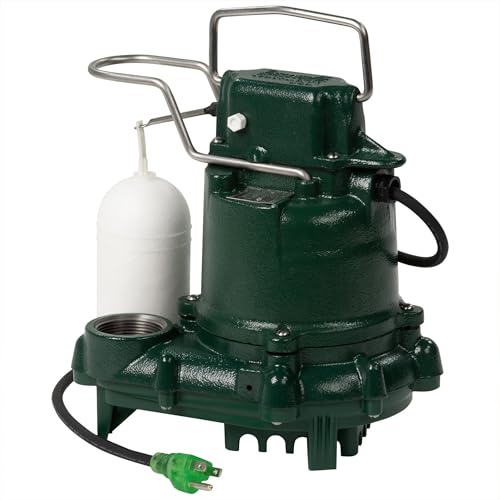
Primary workhorse
Zoeller
M53
Cast-iron 1/3 HP submersible for everyday basement dewatering, with a vertical float that fits narrow pits.
$203.74
Independent Sump Pump Research
Primary and backup sump pumps, side by side on the specs that actually keep a basement dry: flow at 10-ft head, switch type, housing, and warranty.
Sump Pump Scout is an independent research site. We compare submersible primary pumps, battery backups, and water-powered backups using manufacturer specs, manuals, and verified listings — so you can buy before the storm, not after it.
Buyer guidance only. Sump pump specs are not professional plumbing advice — the right pump depends on your pit, inflow, and local conditions.
Research Shortlist
Start with the category that matches your basement. The full index is still below, but these are the cleanest entry points for common buyer paths.
Zoeller
Cast-iron 1/3 HP submersible for everyday basement dewatering, with a vertical float that fits narrow pits.
$203.74
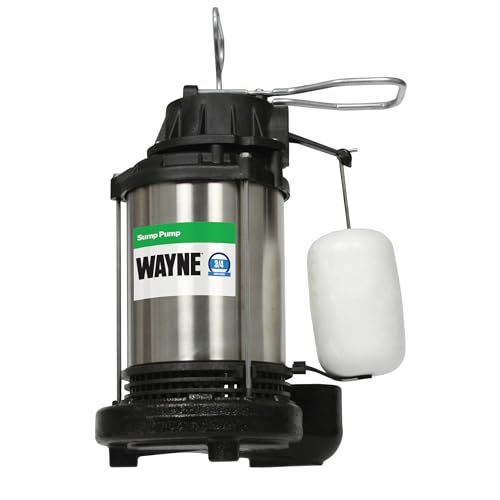
Wayne
3/4 HP and higher flow at 10-ft head for high water tables and heavy storm inflow.
$211.78
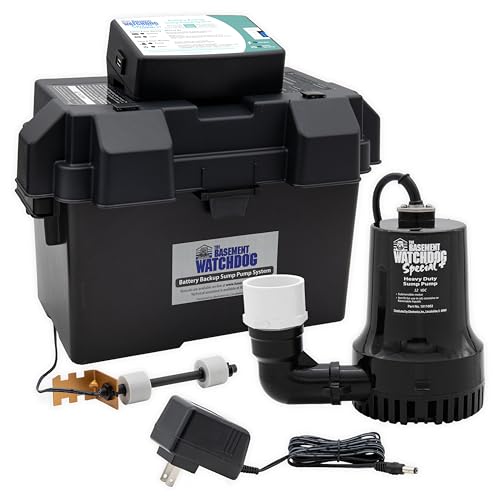
Basement Watchdog
Keeps pumping through the power outage that arrives with the same storm as the water.
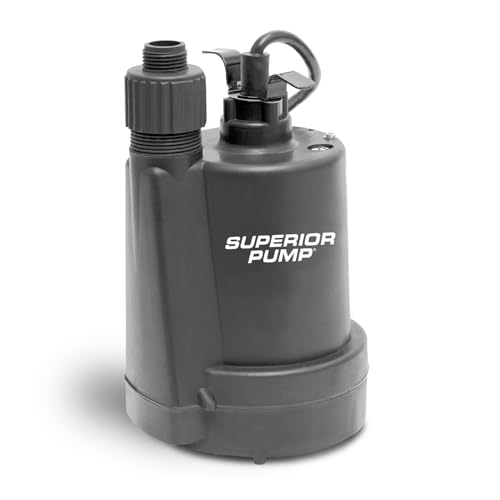
Superior Pump
Affordable thermoplastic 1/4 HP pump for light dewatering and utility duty.
$62.49
Sump Pump Index
Filter by budget and use case, then sort by the spec or ownership factor that matters for your setup.
Submersible 1/3–1/2 HP pumps for routine dewatering, compared on flow and switch type.
Open pathBattery backups that keep pumping when the outage and the storm arrive together.
Open pathWater-powered backups with no battery to maintain and no electricity required.
Open pathPut specs, price, and tradeoffs side by side before deciding.
Open pathShowing 12 of 12 compared pumps.
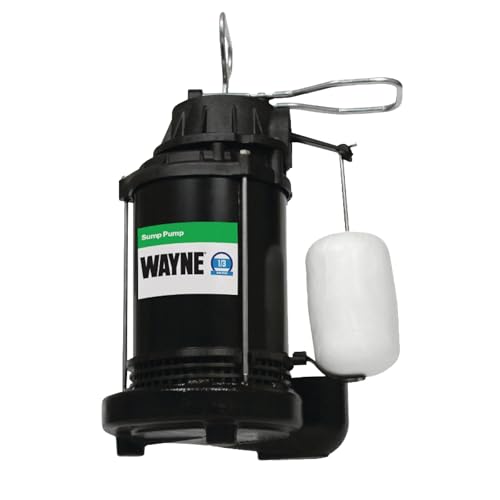
Wayne
submersible
1/3 HP
3060GPH
vertical float
Zoeller
submersible
3/10 HP
2040GPH
vertical float
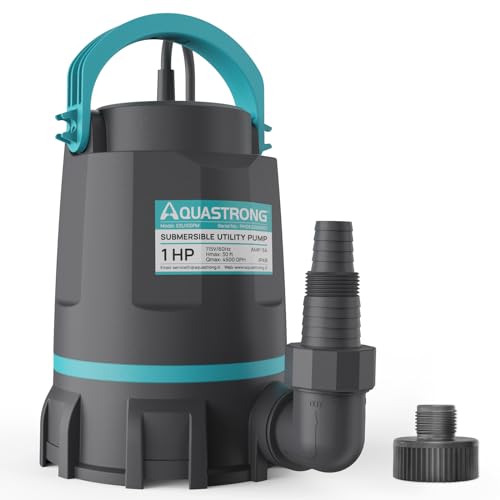
Aquastrong
submersible
1 HP
—
n/a
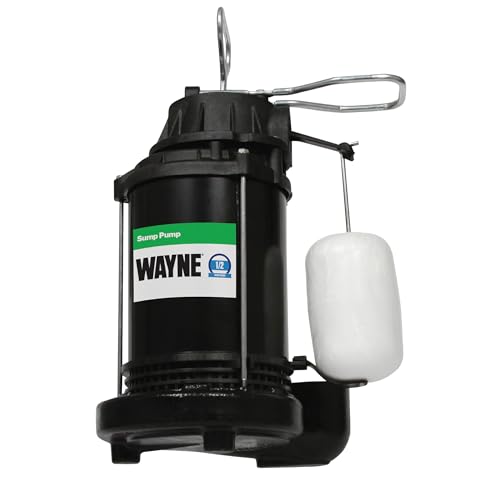
Wayne
submersible
1/2 HP
3840GPH
vertical float
Wayne
submersible
3/4 HP
4743GPH
vertical float
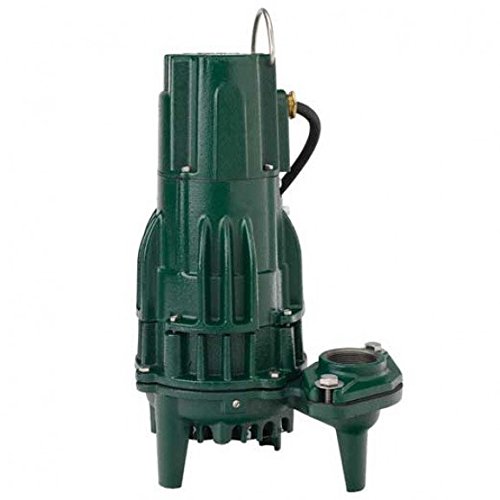
Zoeller
submersible
3/10 HP
2040GPH
vertical float
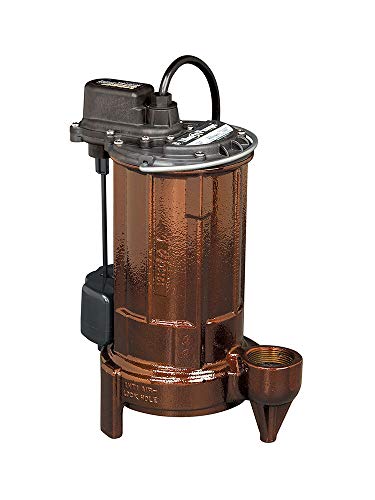
Liberty Pumps
submersible
1/2 HP
3420GPH
vertical float
Superior Pump
submersible
1/4 HP
1200GPH
n/a
Basement Watchdog
battery-backup
—
1730GPH
vertical float
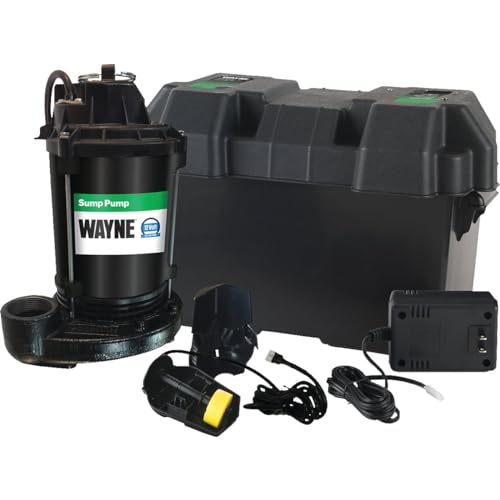
Wayne
battery-backup
—
1500GPH
vertical float
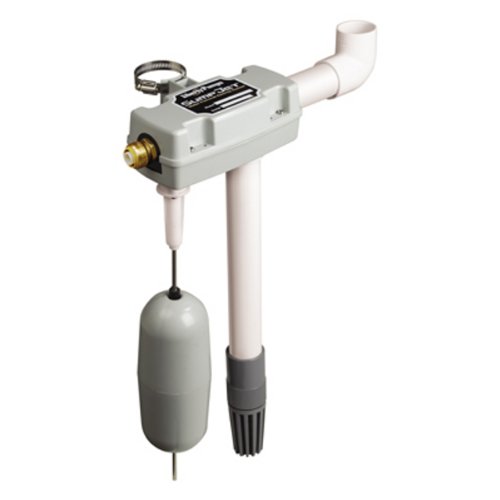
Liberty Pumps
water-powered
—
—
n/a
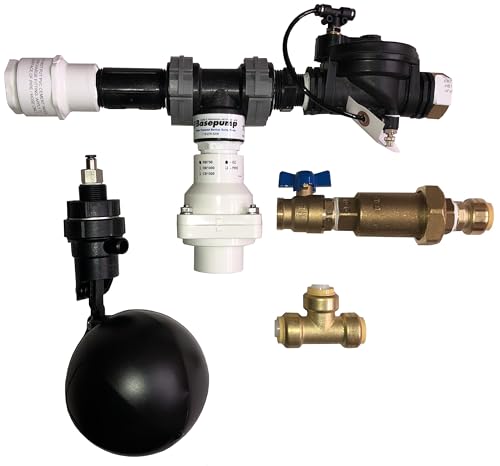
Basepump
water-powered
—
750GPH
n/a

How the Research Works
A sump pump only proves itself during the storm you didn't schedule. Sump Pump Scout focuses on published flow at head height, switch design, housing, documentation, warranty support, and plain-language buyer fit.
Pull flow at stated head heights, switch type, housing material, and cord length from manufacturer documentation — not from the marketing headline.
Warranty terms, pit size requirements, and discharge sizing live in manuals and warranty cards. If a brand won't document a spec clearly, the review says so.
Rank pumps by use case, budget, and ownership burden. A high-flow pump can still be the wrong buy for a narrow pit or a tight budget.
Affiliate links do not buy placement. Comparisons lead with the specs, the documentation, and the tradeoffs.
We research; we don't claim lab testing we haven't done. Specs come from manufacturers and verified listings, and we say so.
New models, spec revisions, warranty changes, and better competing pumps can move a recommendation up or down.
Learn Before You Buy
Horsepower, flow at head height, switch type, and housing material — the four specs that decide whether a sump pump actually keeps your basement dry.
A primary pump handles everyday groundwater. A backup pump handles the storm that knocks the power out. Here's why serious basement protection means running both.
How long will a battery backup sump pump actually run in an outage? Battery capacity, pump draw, and duty cycle — plus the maintenance-free vs. wet cell tradeoff.
The float switch — not the motor — is the #1 sump pump failure point. How tethered, vertical, and electronic switches differ, and why your pit size decides for you.
No battery, no motor, no electricity — municipal water pressure does the pumping. The requirements, the tradeoffs, and the homes that can (and can't) use one.
Pit, check valve, discharge routing, the quarterly test, and the annual cleaning — the ownership routine that keeps a sump pump ready for the storm you didn't schedule.
Stay Independent
When we publish a new comparison, you'll get the specs, the tradeoffs, and nothing else. No affiliate newsletters. No sponsored roundups.
Unsubscribe any time. No spam, no sales pitches.